October 1, 2026
Peptide Pureness Decision Innovative Peptides-peptide Medication Exploration
By @caidenquzn488
Validated > 99% Lab-grade Peptides
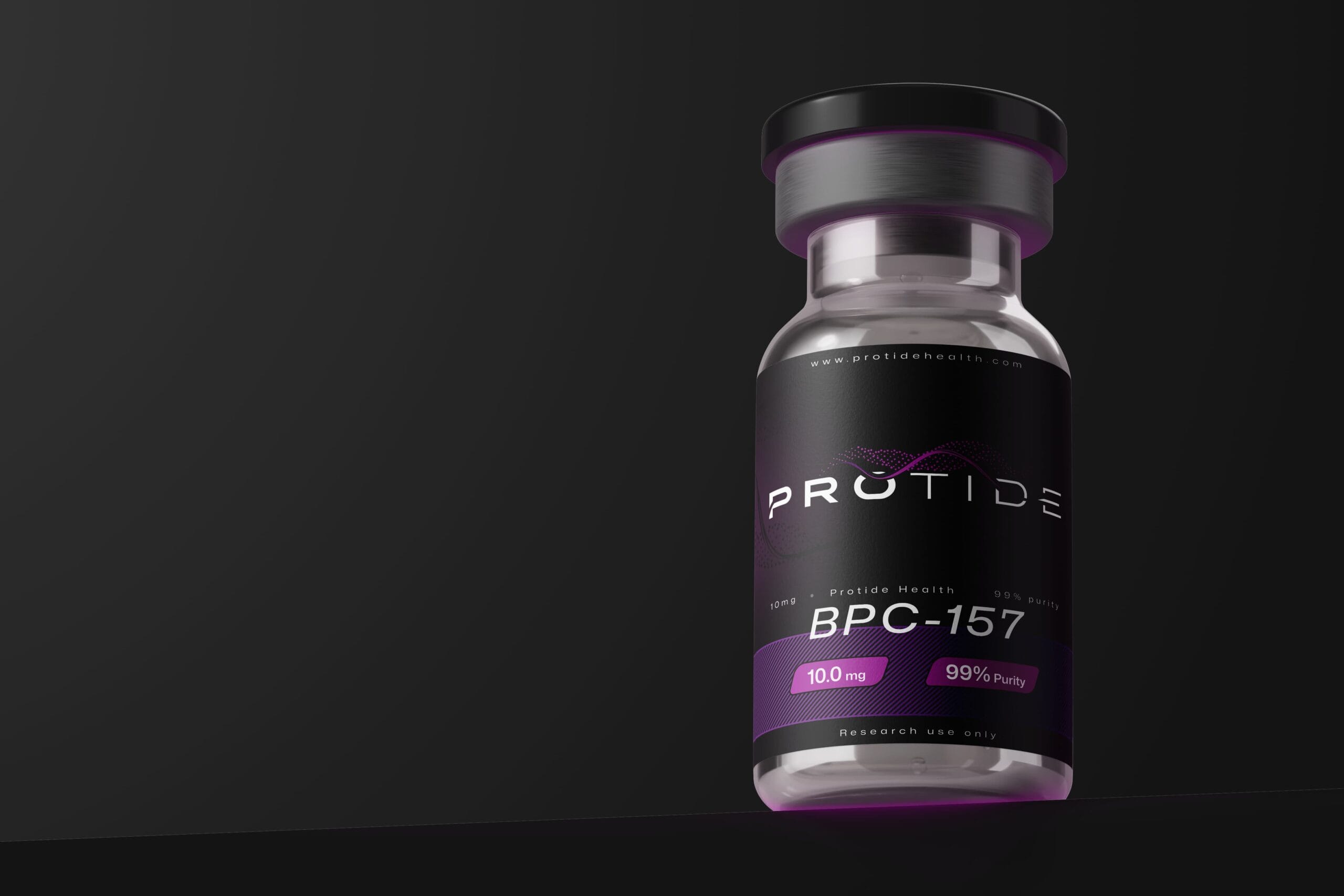
HPLC can sustain claims about chromatographic purity, impurity height burden, and deterioration trends when the approach is proper and the chromatogram is readily available. If a peptide is re-tested after storage anxiety, HPLC can reveal whether new pollutant tops have actually shown up or whether the primary height location has actually decreased. This connects directly with handling topics such as peptide storage and peptide reconstitution. For examples of product-level context, compare the anticipated masses for Retatrutide, BPC-157, and Semaglutide.- Many peptide distributors and research study labs depend on numerous well-established analytical methods.
- Purity ranges commonly, from 40% to 80%+ depending on sequence size and problem.
- HPLC tells you what proportion of your example is the major compound-- but it does not validate what that primary substance actually is.
- Examinations can be performed using high-precision stabilization chambers, replicating various settings, and using worldwide criteria to research short-term and lasting security, important for regular peptide performance.
- As long as you obtain peptides from a trusted resource that gives a full certification of analysis, you can be confident in the peptide's pureness grade and use range.
Peptide Purity Levels Discussed-- What 98%, 99%, And "Research Quality" Truly Suggest
Other spectroscopic techniques, such as Infrared (IR) or UV-Vis evaluation, are in some cases used for rapid top quality checks or structural verification. This is why credible providers provide both HPLC and MS information on their Certifications of Analysis. Peptides in microspheres and nanoparticles may entangle with matrices, making it challenging to separate complimentary and encapsulated kinds. We use dialysis, ultrafiltration incorporated with HPLC/UV approaches to scientifically examine encapsulation efficiency and medicine loading. These analyses are important when clients need more than a mass spectrum and chromatogram to judge whether a whole lot is truly suitabled for quantitative work.
As the portion of organic solvent progressively raises throughout the run, particles are released from the column in order of their hydrophobicity-- the extra hydrophobic a peptide, the longer it takes to elute (wash off). Because impurities usually differ from the target peptide by a minimum of one amino acid, they have somewhat various hydrophobicities and appear as different tops on the chromatogram. The bottom line is not to confuse pureness (HPLC portion of the main peptide vs contaminations) with general web content. For experimental preparation (like determining molar focus), both purity and internet web content serve numbers, however purity is what reflects the chemical homogeneity of the peptide example.It's possible to have a peptide that is, say, 95% pure by HPLC and yet the web peptide material is something like 70% of the powder's weight (the rest being water and salts). Do not be alarmed-- this is normal and is typically figured out by different evaluations (like amino acid evaluation). Peptide purity is most frequently determined by high-performance fluid chromatography (HPLC) with a discovery wavelength of 220 nm, which is ideal for finding peptide bonds. This approach separates peptides from contaminations and evaluates both target peptides and impurities, guaranteeing premium samples for research.
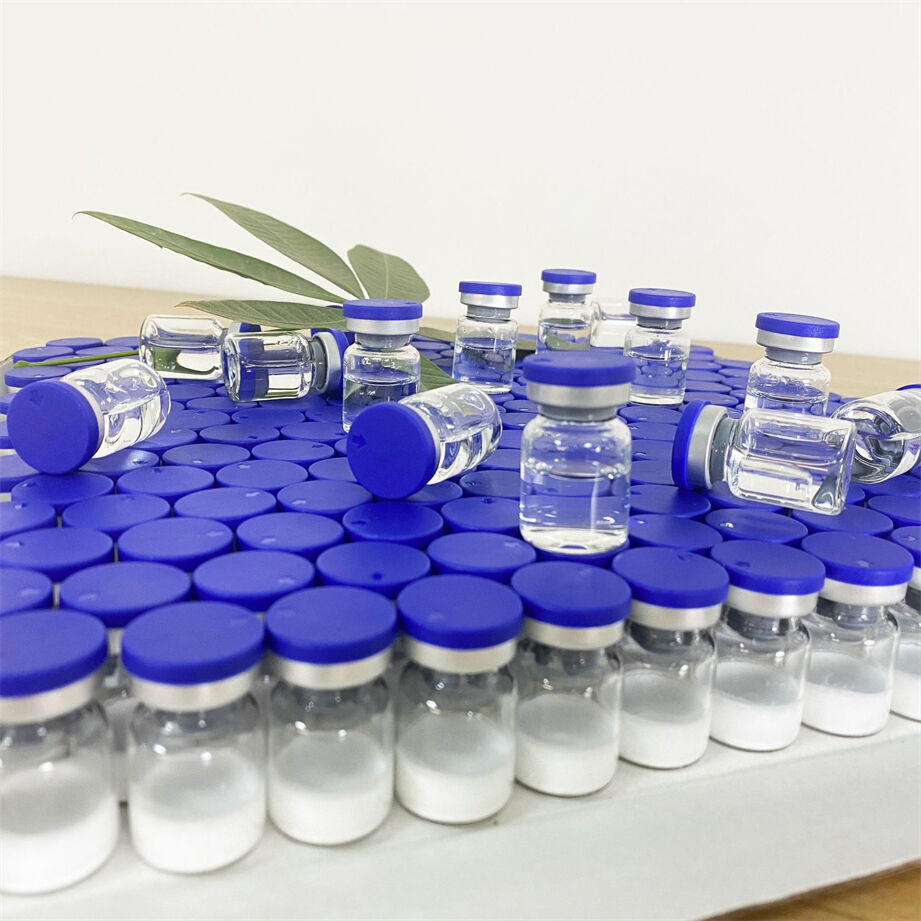
Detailed Peptide Quality Screening Services
It is one factor appropriate peptide storage and reconstitution practices matter. Partial peptide pieces can result from incomplete synthesis or post-synthesis destruction. These fragments are usually smaller sized than the target peptide and may elute at various retention times.
Desalted peptides function well for ELISA covering, some cell-based assays, and applications where modest pureness serves. After synthesis and purification, peptides are typically lyophilized (freeze-dried) as salts. One of the most usual counterion is trifluoroacetate (TFA) from the HPLC filtration solvents, though some peptides are provided as AOD-9604 acetate or hydrochloride salts. These counterions aren't "contaminations" in the HPLC sense-- they do not turn up as separate heights-- yet they do add to the total mass of the powder.What Is Hplc? The Basic Principle
A solid test record can sustain purity, identification, and set traceability. It does not turn a research study compound right into a scientific product, and it does not You can find out more replace speculative validation in the scientist's own system. Peptide pureness isn't simply a number on a tag-- it's a home window into the quality of the artificial procedure and a predictor of exactly how reputable your research outcomes will be. At Principles Analytics, we provide specialized peptide screening and quantitation solutions to sustain research study, pharmaceutical, and nutraceutical applications. Our lab uses modern instrumentation and validated techniques to make certain exact, reproducible information throughout even the most intricate peptide matrices. William is a research analyst at Peptides Laboratory UK, specialising in research study peptides, research laboratory compounds, and sourcing requirements for high-purity peptide items.Likewise, remember that "research-grade" peptides are implied for the laboratory bench and include high purity and identification checks however are not produced as medicines. Constantly inspect that your peptide features correct logical data (HPLC chromatogram and MS outcomes) and is labeled for research use. Armed with this understanding, you can confidently analyze tags like "95% purity, study grade" and utilize those peptides to drive your experiments without complication. Knowledge of purity levels will also guide you if you ever before need a higher pureness peptide for a specifically delicate assay. In the end, getting the purity degree right suggests more reputable scientific research-- and that's the utmost goal for any researcher. With years of analytical testing experience and progressed instrument platforms, BOC Sciences supplies thorough peptide high quality testing solutions across the whole process from raw materials to solutions.
In straightforward terms, a peptide listed as 95% pure consists primarily of the target peptide (95%), with the continuing to be ~ 5% made up of contaminations. These contaminations can consist of points like reduced or abbreviated sequences, removal variations, oxidized deposits, or various other small side-products from the synthesis process. Peptides are commonly utilized in the medical visual appeals, cosmetics, and biomedical fields as a result of their unique biological task and wide application capacity. Nonetheless, the quality of peptide items straight influences their efficiency and safety, making accurate top quality screening services crucial.
❧